UnB study evaluates quality standard of artisanal production of medicinal cannabis
Groundbreaking research proves effectiveness and precision of the 'Herbalist Method' and reinforces the role of associations in the scientific development of Brazil

Published on 06/07/2026
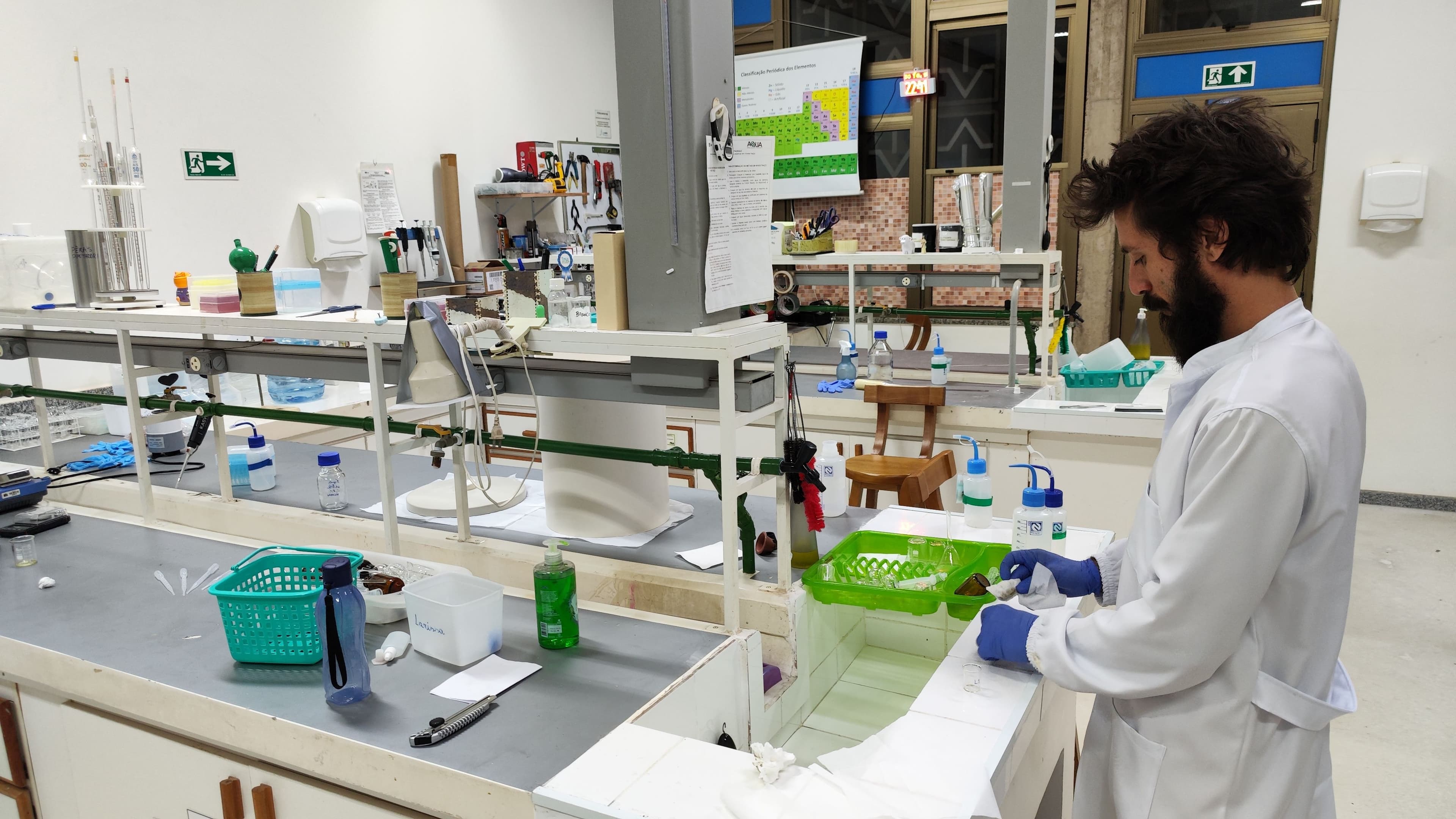
A study by the University of Brasília (UnB) revealed that artisanal production of medicinal cannabis can achieve quality standards, with precision in cannabinoids, compatible with the therapeutic requirements demanded by national and international pharmacopoeias. The study expands possibilities for Brazilian associations, patients, and researchers operating outside the industry.
What is the 'Herbalist Method'?

Using full-spectrum native extracts and accessible equipment, the technique allows for the standardization of the main cannabis compounds — such as THC and CBD — without depending on industrial structures. Dubbed the 'Herbalist Method', the process was conceived by researcher Pedro Nicoletti, who proposes the creation of Combined Phytochemical Derivatives (DFC), with controlled chemical profiles from so-called Full Native Extracts (ENC).
Inspired by traditional practices of composing herbal remedies, the method uses formulation science principles and meets the requirements of the Brazilian and European pharmacopoeias.
'Quality in precision and consistency is not exclusive to the industry,' says Nicoletti. 'It is possible to achieve technical rigor with simplicity, offering scientific support to small producers, compounding pharmacies, and associations facing disproportionate regulatory barriers,' he continues.
Scientific validation and regulatory impact

The method was tested at the UnB Institute of Chemistry and validated by the Central Crom laboratory at the Federal University of Santa Catarina (UFSC). The results demonstrated consistency.
The first stage of the research was conducted without external funding, with the support of a CNPq scholarship, but Nicoletti is seeking partnerships to expand the tests and reinforce the scientific robustness of the method. 'I intend to rely on my trainees from the training program and partner universities to broaden the studies,' highlights the researcher.
Consistency, decentralization, and scientific legitimacy
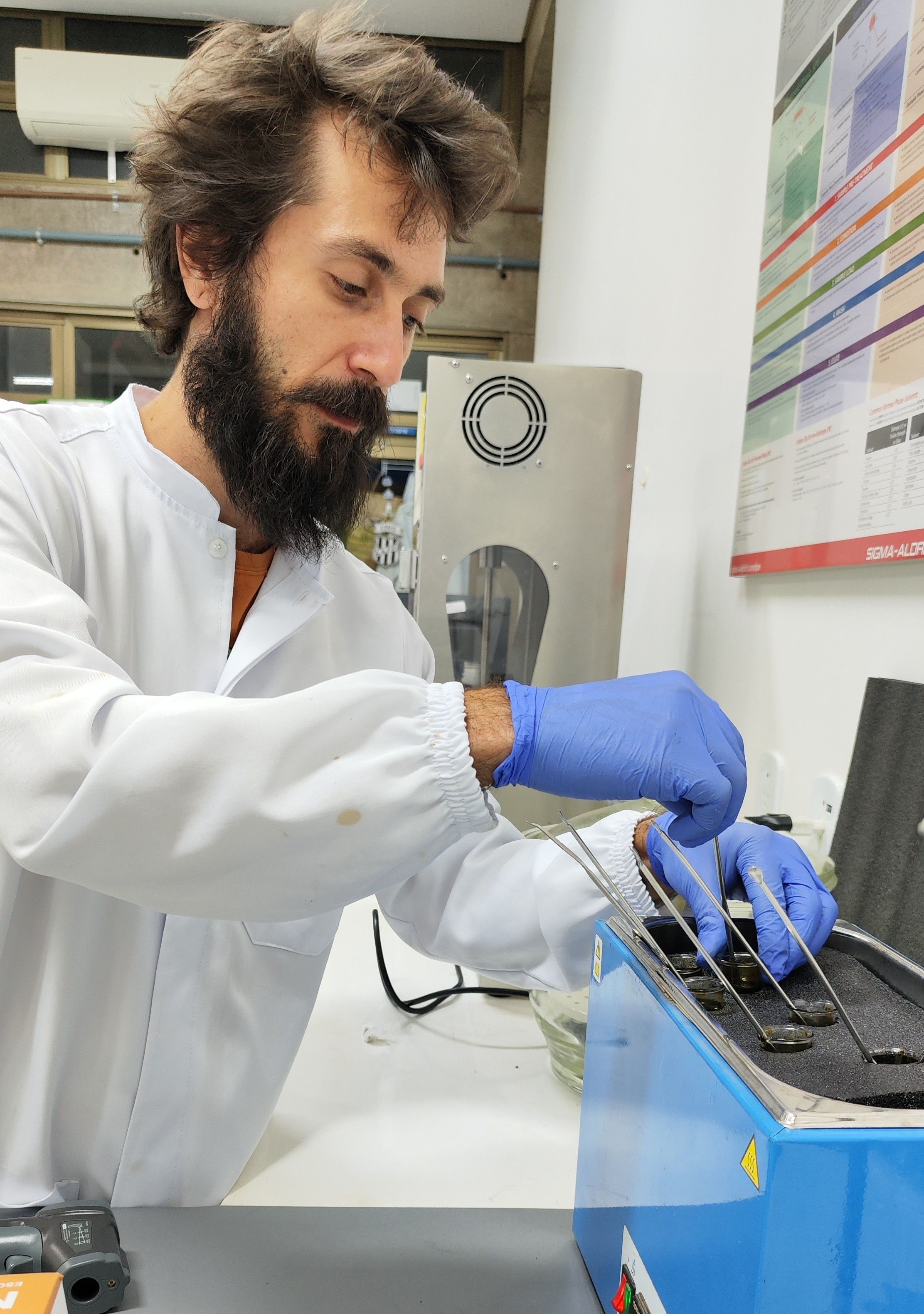
One of the main criticisms of artisanal production, the lack of consistency between batches, was refuted in the study. Nicoletti analyzed public discourses and concluded that the inconsistency stems from a lack of research, not structural flaws in artisanal production.
'The method provides predictability to the extract's chemical markers, breaking the vicious cycle that delegitimizes local production due to data absence — precisely caused by the lack of investment in research,' he argues.
With this standardization, artisanal extracts can be used in clinical trials, strengthening the scientific basis to prove their therapeutic efficacy.
Manual and clinical trials
Still in the first semester of 2025, a practical manual of the 'Herbalist Method' will be released, gathering scientific fundamentals and protocols accessible to associations, pharmacies, and independent producers.
'This book will be an autonomy tool for those seeking quality without depending on the industry,' says Nicoletti.
Despite requiring additional laboratory steps, the methodology already allows for conducting clinical studies with non-industrialized extracts, representing a strategic advancement for the scientific legitimization of artisanal production in Brazil.
Cannabis culture, science, and inclusive regulation
The 'Herbalist Method' also aligns with the principles of the legacy cannabis culture, which values community practices and traditional knowledge. 'What we have developed is a social technology: a bridge between traditional knowledge and modern science criteria. The proposal is for inclusive regulation, connected to the Brazilian reality, our biodiversity, and scientific culture,' says Nicoletti.
He emphasizes that the goal is not to transfer the cannabis monopoly to large national or foreign groups but to decentralize knowledge and production capacity.